


Deur-Speet Motors Fremont CDJR

Blog / Deur-Speet Motors Freemont CDJR Dealer

Jeep Maintenance Tips Every Owner Should Know

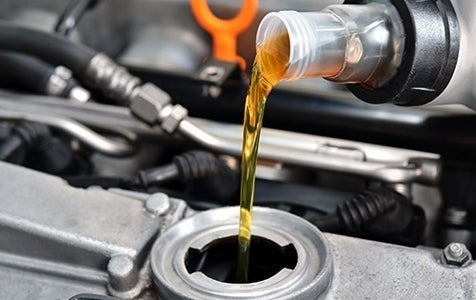
Close-up of fresh engine oil being poured into a vehicle engine during a routine oil change service.

Owning a Jeep means you're ready for just about anything—from daily commutes to weekend off-road adventures. But keeping that capability intact comes down to one thing: staying on top of your Jeep’s maintenance. Whether you drive a Wrangler, Gladiator, Grand Cherokee, or any other model in the lineup, regular upkeep keeps your vehicle performing at its best for years to come. And in Fremont, Michigan, where the landscape and seasons are as challenging as they are beautiful, sticking to a routine and watching your Jeep for signs of stress are always smart. 

Why Consistent Jeep Maintenance Matters 

Jeeps are built tough, but that durability doesn't mean they take care of themselves. Skipping routine service might seem like it’s not a big deal, but it can lead to bigger, more expensive problems down the road. That’s not to mention safety concerns—the last thing you want is to be off-roading and get stuck. Consistent Jeep maintenance helps preserve performance, extends the life of key components, and keeps your warranty intact. Think of it as protecting your investment every mile you drive. 

Stay Current with Oil Changes 

One of the most important parts of Jeep maintenance is keeping up with regular oil changes. Engine oil lubricates moving parts, reduces friction, and helps regulate engine temperature. Your Jeep’s engine works hard, and over time, oil breaks down and becomes less effective, which puts extra strain on it. 
 
Most modern Jeep models are equipped with an oil life monitoring system that alerts you when it's time for a change. Following those alerts rather than a fixed mileage schedule helps ensure your engine always has fresh, effective oil. Using the correct oil type and viscosity for your specific Jeep is also important, so always refer to your owner's manual or ask a qualified technician. 

Don't Overlook Your Brakes 

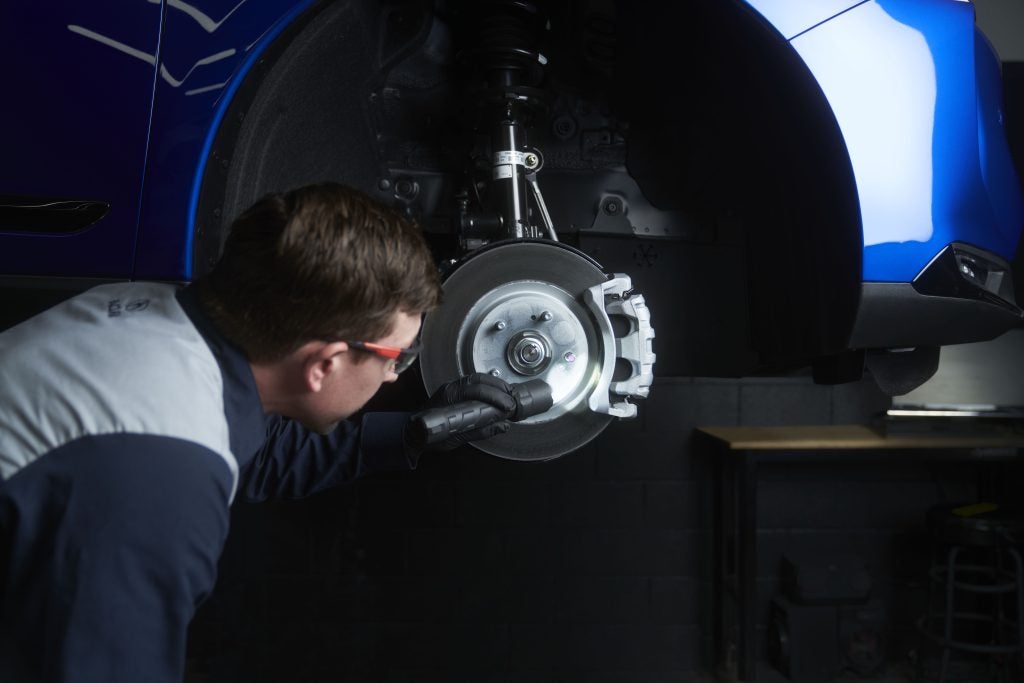
The kind of power and energy Jeep brings to the table requires serious stopping power too. Your brakes are maybe the most critical safety system on your Jeep, especially if you take on trails or haul heavy loads. Brake pads wear down over time, and rotors can become warped or scored with regular use. Off-roading amplifies that wear, meaning you may need service more often, or your brake issues could become noticeable very quickly. If you notice squealing, grinding, or a soft brake pedal, it's time to have your brakes inspected right away. 
 
As a general rule, brake pads should be checked at every oil change. That way, any wear is caught early before it becomes a safety concern. Replacing brake pads and rotors at the right time not only keeps you safe but also prevents more costly repairs to calipers and other brake components. 

Check Fluids and Filters Regularly 

Beyond oil changes and brakes, Jeep maintenance includes monitoring several other fluids and filters that keep your vehicle running smoothly. Coolant, transmission fluid, power steering fluid, and brake fluid all play important roles in your Jeep's overall health. 
 
Air filters and cabin air filters should also be inspected periodically, especially if you frequently drive on dirt roads or trails. A clogged air filter can reduce engine efficiency and affect overall performance. Staying on top of these smaller items makes a big difference over time. 

Tire Care and Rotation 

Tires are your Jeep's connection to the road—and to whatever terrain you're exploring. Uneven tire wear can affect handling, reduce fuel efficiency, and shorten the life of your tires. Rotating your tires every 5,000 to 7,500 miles helps ensure even wear across all four corners. Once again, off-roading can increase that wear, evenly or not, so doing a penny test for tread depth helps. 
 
You should also check tire pressure regularly, as fluctuating temperatures can cause pressure to rise or drop. That’s not just when the weather gets warm—towing and extreme adventuring increase heat too, so pay attention if you’ve put your Jeep to work. Proper inflation improves handling and helps protect the tire's internal structure during off-road use. 

Find Trusted Jeep Service Near You 

Keeping your Jeep in peak condition doesn't have to be complicated. By staying consistent with oil changes, monitoring your brakes, and addressing any issues early, you'll get the most out of your vehicle season after season. Jeep maintenance is all about being proactive rather than reactive. 
 
If you're a Jeep owner in Fremont, Michigan, the service team at Deur-Speet Motors CDJR is here to help with everything from routine oil changes and brake inspections to more comprehensive maintenance needs. Visit deurspeetmotors.net to schedule your next service appointment and keep your Jeep adventure ready. 
Posted in:

Related Posts

Technician inspecting a vehicle's brake rotor and caliper assembly during a professional brake service.

Ram Maintenance Tips Every Truck Owner Should Know

No matter if you drive a Ram 1500, Ram 2500, or Ram 3500, staying on top of Ram maintenance is one of the best things you can do to protect your truck. Trucks work hard, and the right care routine keeps them performing the way they were built to. Drivers in Fremont, MI know that a dependable truck starts with dependable upkeep. more Why Regular Ram Maintenance is Important Ram trucks are built to handle serious workloads, from daily commutes to heavy hauling. But even the toughest truck needs routine attention to stay in peak condition. Skipping scheduled service can lead to bigger, more expensive problems down the road. Keeping Up with Oil Changes One of the most important parts of any maintenance routine is the oil change. Fresh oil keeps your engine lubricated, reduces friction, and helps prevent long-term wear. For most Ram trucks, the recommended interval depends on your engine type and driving habits - but checking your owner's manual is always a good starting point. Synthetic oil typically allows for longer intervals compared to conventional oil, though your service advisor can help you choose what works best for your specific model. Brake Inspections and When to Replace Your brakes are one of the most critical safety systems on your truck. Regular brake inspections help catch worn pads, thinning rotors, or soft brake feel before they become serious concerns. If you notice squealing, grinding, or a longer stopping distance, it is time to have your brakes look right away. Towing heavy loads or driving in hilly terrain can also accelerate brake wear, so more frequent checks may be necessary depending on how you use your truck. Tire Rotation and Fluid Checks Tire rotations help even out wear across all four corners of your truck, extending the life of your tires and improving handling. Most service schedules recommend a rotation every 5,000 to 7,500 miles - often timed alongside an oil change for convenience. While your truck is in service, it is also a good idea to have all fluids checked, including coolant, transmission fluid, brake fluid, and power steering fluid. Staying on Schedule with Your Warranty in Mind Ram backs its 2026 trucks with a 10-year or 100,000-mile powertrain limited warranty on select models. Keeping up with your recommended maintenance schedule is important not just for performance, but also for maintaining coverage. Documenting your service visits helps create a clear record that supports your warranty and adds value if you ever decide to sell or trade in your truck. Visit Deur-Speet Motors for Your Ram Maintenance Needs Consistent Ram maintenance does not have to be complicated - it just needs to happen on a regular basis. From oil changes and brake inspections to fluid checks and tire rotations, each service visit helps your truck stay reliable mile after mile. If you are ready to schedule your next service appointment, the team at Deur-Speet Motors Freemont CDJR in Fremont, MI is here to help you keep your Ram in top shape.

Silver Jeep SUV with a roof-mounted bike rack parked on a grassy field against a scenic mountain backdrop.

What Drivers Should Know About the Current Lease Market Before Signing on a Jeep

Leasing a Jeep can be a logical way to drive a well-equipped SUV without committing to a long-term purchase, but only if you understand how the lease market works. Many drivers sign their paperwork without fully understanding the terms, and that can lead to bad surprises. If you are eyeing a 2026 Jeep Grand Cherokee or thinking about a Jeep Wrangler, knowing the basics makes a real difference. Reach out to the team at Deur-Speet Motors Fremont CDJR in Fremont, MI, to learn more about your leasing options today. more What Is the Current Lease Market and Why Does It Matter? The current lease market is shaped by manufacturer incentives, interest rates, and vehicle demand. These factors shift regularly, which means the same Jeep model could carry a different lease offer from 1 month to the next. Staying informed about what is available right now helps you make a confident decision. For drivers, it is worth checking in on current offers before assuming a deal is still valid. Lease specials tied to sales events are time-sensitive, and they can change without notice. Understanding Residual Values The residual value is the estimated worth of the vehicle at the end of the lease term, which is a key factor. It is expressed as a percentage of the original sale price. A higher residual value means a larger portion of the vehicle's cost is returned, which typically results in a lower monthly payment. Jeep vehicles tend to carry favorable residual values. Models like the Jeep Wrangler have historically held their value well. Always ask to see the residual percentage before finalizing your lease. What Is Money Factor and How Does It Affect Your Payment? Money factor is the interest rate on a lease. Instead of a percentage like 6%, you will see a small decimal number like 0.00175. To convert it to an approximate annual percentage rate, you multiply by 2,400. A lower money factor means you are paying less in finance charges over the lease term. In the current lease market, money factors can vary significantly. If a manufacturer is running a strong incentive program, the money factor may be reduced, which brings your monthly cost down. Mileage Limits and Overage Penalties Most leases come with an annual mileage limit. Common limits are 10,000, 12,000, or 15,000 miles per year. Going over that limit triggers a penalty for each extra mile at lease-end, and those charges add up quickly. Think honestly about your driving habits before selecting a limit. If you commute regularly, a higher mileage limit upfront is almost always more affordable. The current lease market sometimes offers flexibility, so ask if you can negotiate a higher limit. Lease-End Duties When your lease term wraps up, you are responsible for returning the vehicle in good condition, within your mileage limit, and with only normal wear. Excessive wear, like deep scratches or interior damage, can result in additional charges assessed during a return inspection. Understanding these expectations in advance helps you care for your leased Jeep properly. Some drivers choose to purchase the vehicle at the end of the lease, which can be a good option if the market value has risen. Explore the 2026 Jeep Lineup The 2026 Jeep lineup includes a strong range of models worth considering. The 2026 Jeep Grand Cherokee is offered at several trim levels, so checking a base trim like the Laredo, a mid-level trim like the Limited, and a top trim like the Summit is a good strategy. The Jeep Compass starts at a lower price tier, while the Jeep Gladiator appeals to those who want to truck utility. The Grand Wagoneer rounds out the lineup as the premium offering. Comparing models side by side can help you identify the best value. Jeep Leasing Understanding the current lease market simply requires asking the right questions and knowing what the numbers mean. When you are ready to explore your options, the team at Deur-Speet Motors Fremont CDJR in Fremont, MI, can walk you through the available Jeep lease offers. They can help you find terms that fit your lifestyle. Visit the dealership to browse current inventory and connect with a team member who can help you get into the right vehicle.

Blue Ram 1500 Rebel pickup truck parked on rugged terrain with a rocky landscape in the background.

Which 2026 Ram Truck Delivers the Right Towing Capability for You?

Not every trailer requires a heavy-duty truck. At the same time, buying too little truck can create problems every time you hook up a load. That's why understanding the towing differences between the 2026 Ram 1500, Ram 2500, and Ram 3500 is so important. Each truck is engineered for a different level of capability, and choosing the right one starts with an honest look at what you're towing. For drivers throughout Fremont, MI, the right Ram truck often comes down to trailer weight, payload requirements, and how frequently you plan to tow. more Ram 1500: Everyday Comfort with Serious Towing Capability For many truck buyers, the 2026 Ram 1500 delivers all the capability they'll ever need. When properly equipped, the Ram 1500 can tow up to 11,610 lbs. and handle up to 2,360 lbs. of payload. That's enough capability for many travel trailers, fishing boats, utility trailers, car haulers, and recreational equipment. Power comes from Ram's available Hurricane engine family. The available 3.0L Hurricane I6 produces 420 hp and 469 lbs. ft. of torque, while the available High-Output 3.0L Hurricane I6 raises output to 540 hp and 521 lbs. ft. of torque. The biggest advantage of the Ram 1500 is balance. It combines strong towing capability with the ride quality, comfort, and maneuverability many owners want in a daily driver. Ram 2500: When Heavy-Duty Capability Becomes Necessary There comes a point where a half-ton truck simply isn't enough. The 2026 Ram 2500 is designed for buyers who tow larger campers, equipment trailers, enclosed trailers, and work-related loads on a regular basis. Properly equipped models offer up to 20,000 lbs. of maximum towing capacity and up to 3,930 lbs. of maximum payload. A major reason many buyers move into the Ram 2500 is the available High-Output 6.7L Cummins® Turbo Diesel I6. Producing 430 hp and an impressive 1,075 lbs. ft. of torque, it provides the low-end pulling power for serious towing demands. For contractors, farmers, RV owners, and drivers who regularly move substantial weight, the Ram 2500 represents a significant step up in capability while remaining practical for everyday use. Ram 3500: Built for the Biggest Jobs When maximum capability is the priority, the 2026 Ram 3500 stands at the top of the lineup. Properly equipped models can tow up to 36,610 lbs. and carry up to 7,590 lbs. of payload. Those figures place the Ram 3500 among the most capable trucks available today. Like the Ram 2500, the Ram 3500 offers the available High-Output 6.7L Cummins® Turbo Diesel I6 producing 430 hp and 1,075 lbs. ft. of torque. Combined with its heavy-duty chassis, suspension, and drivetrain components, that power allows the truck to confidently handle large fifth-wheel campers, livestock trailers, commercial equipment, and other demanding towing applications. For buyers whose livelihood depends on moving serious weight, the Ram 3500 is often the clear choice. Towing Technology Can Be Just as Important as Towing Capacity Maximum towing numbers tell only part of the story. The 2026 Ram truck lineup offers available towing technologies designed to make hauling safer and less stressful. Available features include trailer brake controllers, trailer reverse guidance systems, towing cameras, blind spot monitoring with trailer coverage, and integrated trailer information displays. These systems can make a meaningful difference when backing a trailer into a campsite, navigating crowded roads, or towing long distances across Michigan. For many owners, towing confidence comes from both capability and technology working together. Match Your Truck to Your Trailer One of the most common mistakes truck buyers make is purchasing more truck than they need—or not enough. A travel trailer, fishing boat, or utility trailer often falls comfortably within the Ram 1500 capability range. Larger campers, equipment trailers, and work-related towing frequently push buyers toward the Ram 2500. Commercial applications, large fifth-wheel RVs, and heavy agricultural trailers are where the Ram 3500 truly shines. Understanding your current needs and future helps ensure you're buying the right truck for the first time. Explore the 2026 Ram Truck Lineup in Fremont, MI The best Ram truck for towing depends entirely on what you're pulling. Fortunately, the 2026 Ram lineup offers a solution for nearly every towing requirement, from weekend recreation to full-time commercial work. Drivers throughout Fremont, Newaygo, White Cloud, Muskegon, and West Michigan can visit Deur-Speet Motors CDJR after scheduling a test drive online. Our team can help you match towing capacity, payload capability, engine options, and technology features to your specific needs so you can tow with confidence for years to come.